You May Also Like
AI-powered picks just for you
Related Products
You Might Also Like
View All →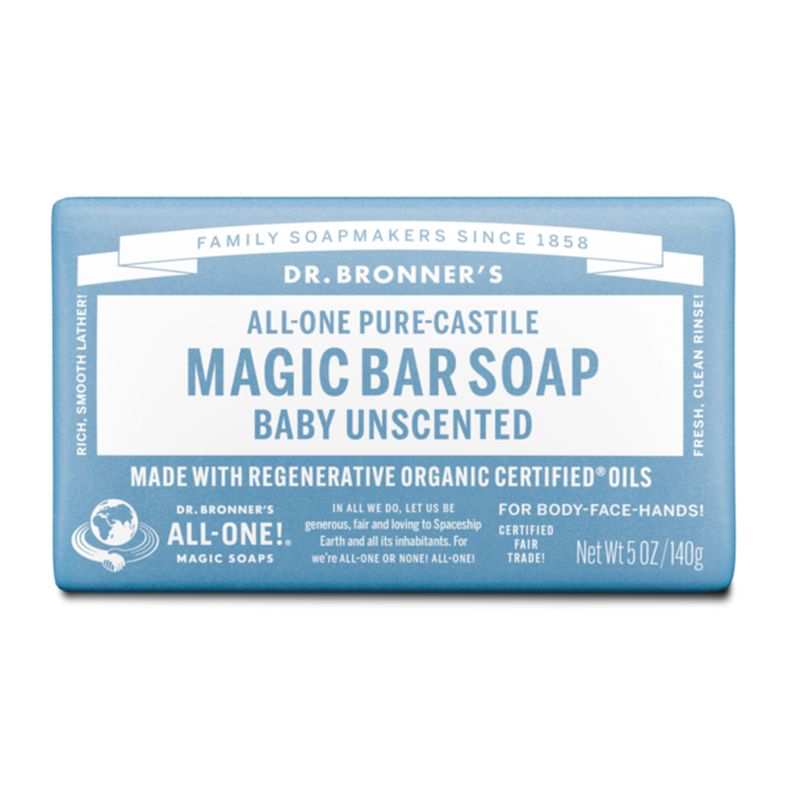
Dr. Bronner's Baby Unscented, Pure-Castile Bar Soap
Made with a nourishing blend of Regenerative Organic Certified oils, t
$9.41
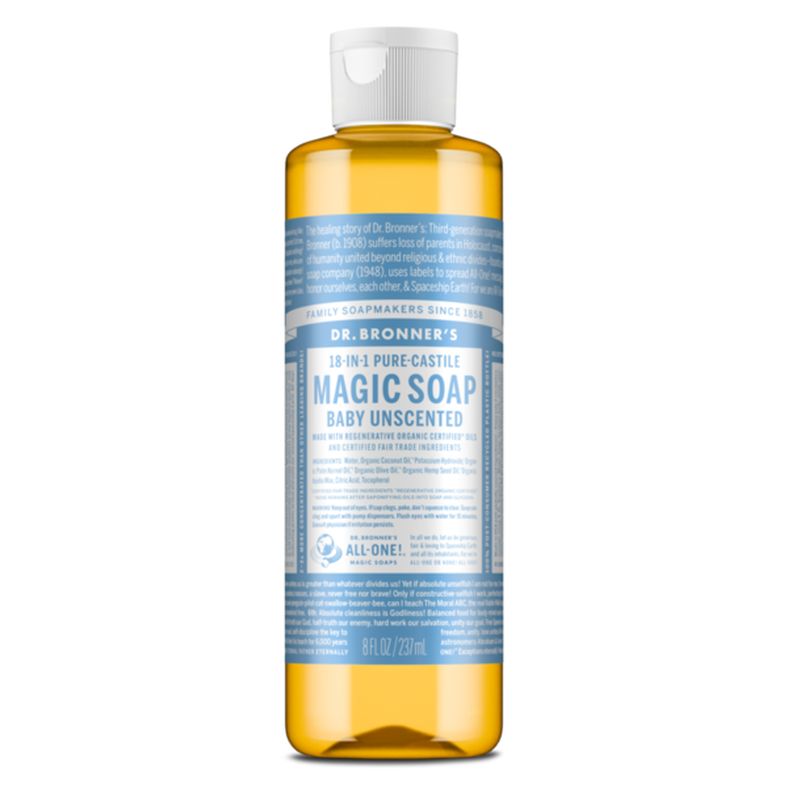
Dr. Bronner's Unscented Pure-Castile Liquid Soap
Made with a nourishing blend of Regenerative Organic Certified oils, this true s
$13.21
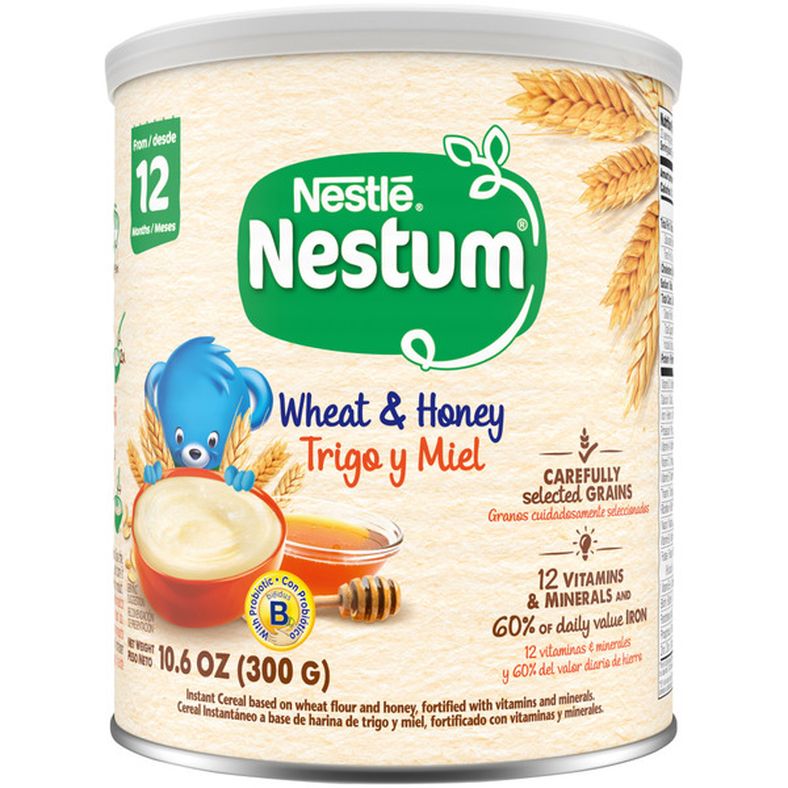
Nestlé NESTUM Nestum Probiotics Infant Cereal Wheat & Honey
Nestum is made with wholesome grains and vitamins and minerals to support health
$7.96
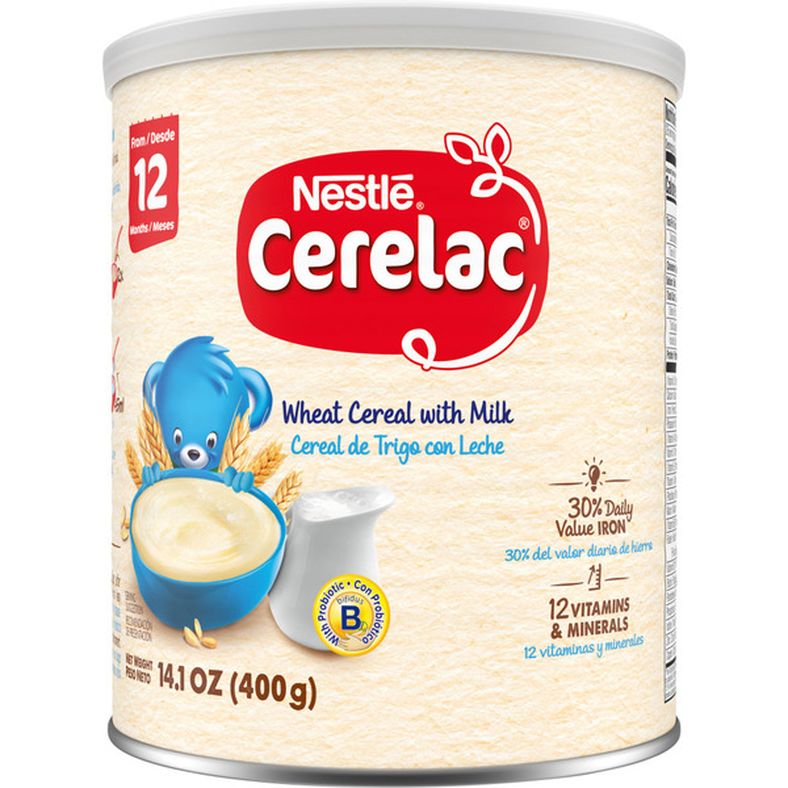
Nestlé NESTUM Wheat Cereal, with Milk, 12 Months
Nestle Cerelac cereals are made from wholesome natural grains with vitamins and
$17.92
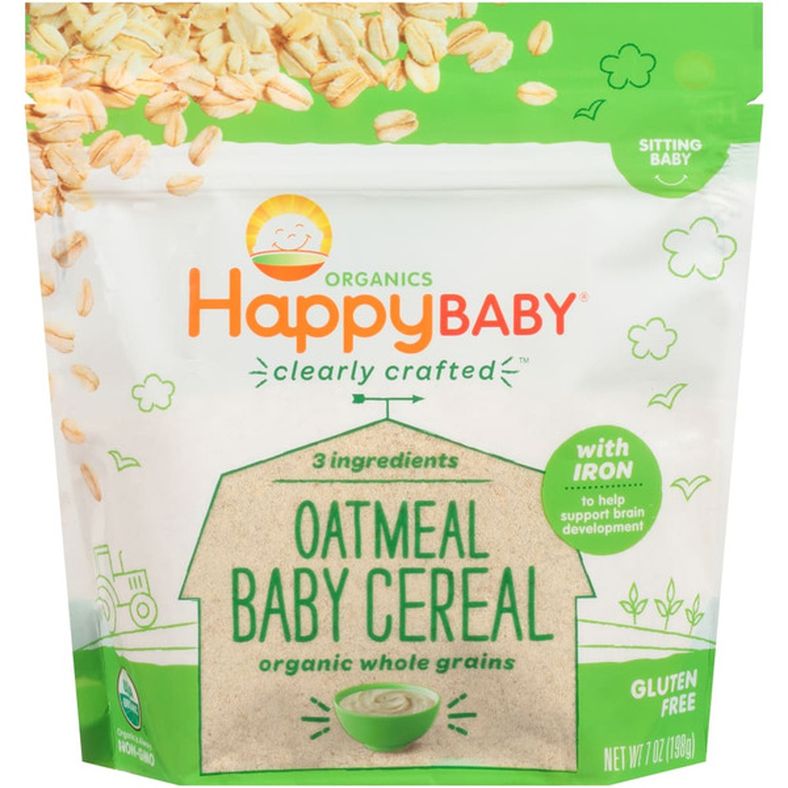
Happy Baby Organics Clearly Crafted Oatmeal Baby Cereal
• Our organic oatmeal baby cereal has 3 simple ingredients: oats, vitamin C, &am
$9.41
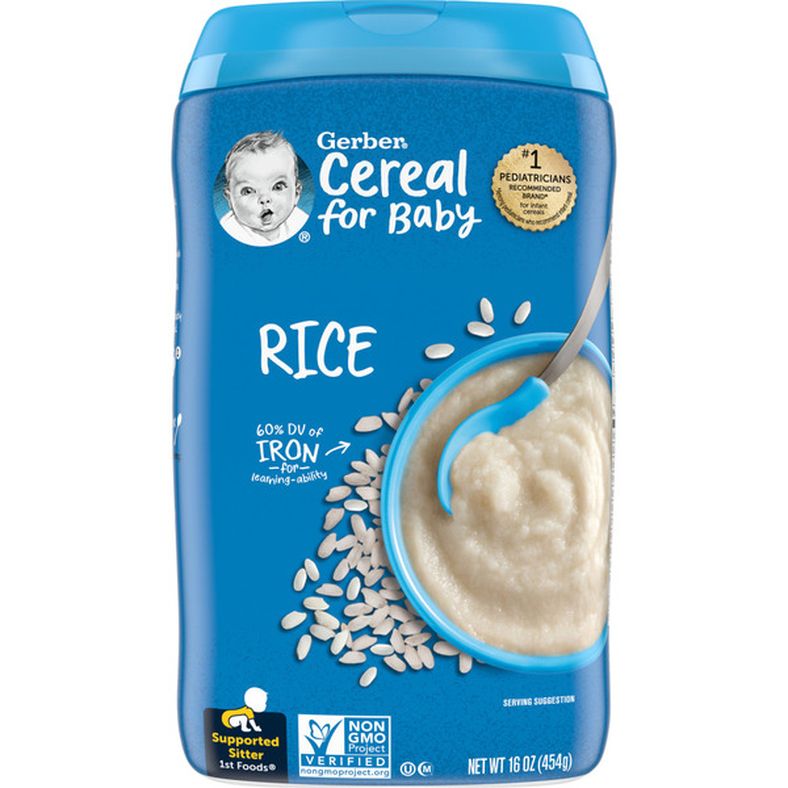
Gerber Cereal Baby Cereal Rice Canister
When your baby is ready to start solids, try Gerber Rice baby cereal. It has iro
$13.04
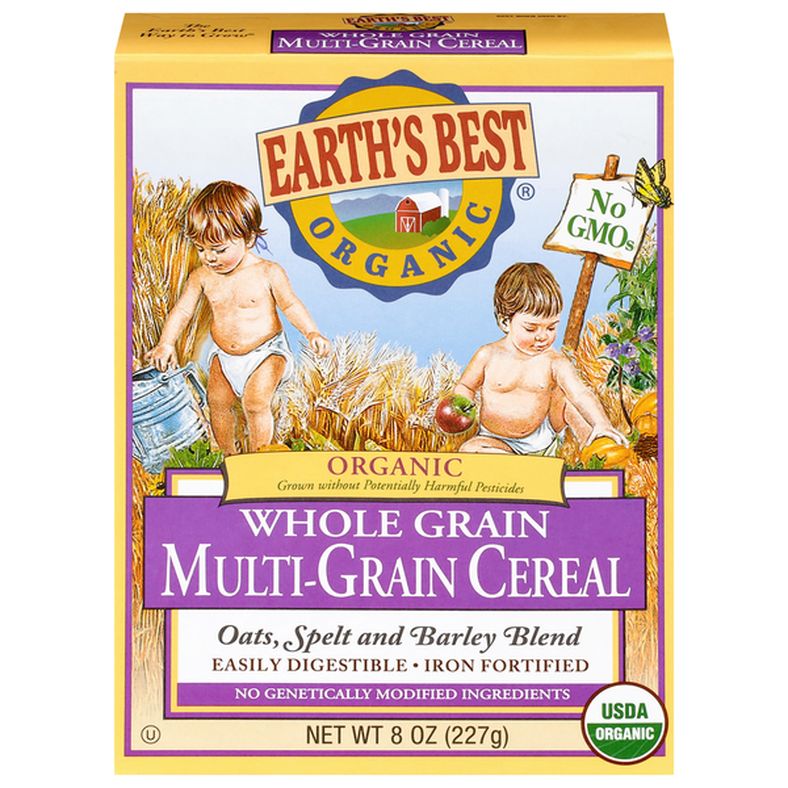
Earth's Best Organic Baby Foods Whole Grain Multi-Grain Cereal
Grown without potentially harmful pesticides or herbicides. Oats, spelt and barl
$12.67
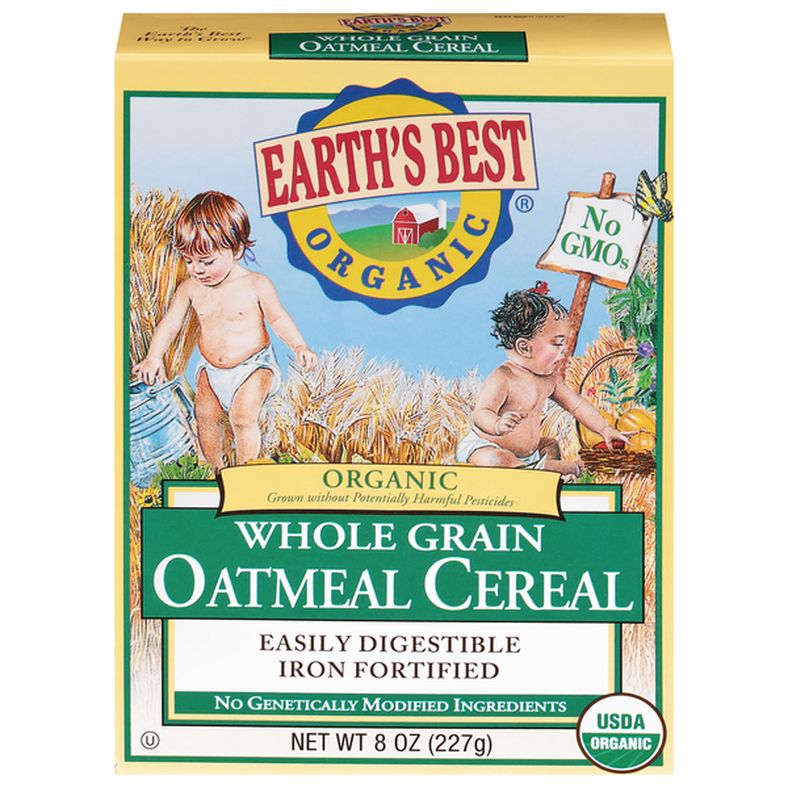
Earth's Best Organic Whole Grain Oatmeal Cereal
Grown without potentially harmful pesticides or herbicides. Easily digestible. I
$13.93
$1.44
per unit
1